
Can Poverty Cause Slavery?
What is the extent poverty can drive people to do the work they do? So, can poverty force humans to do inhumane jobs? Then, can poverty cause slavery? Hence, is being forced to do jobs in inhuman conditions without other job opportunities not slavery? Thus, if we think all people in the world have a choice to do the work they want to do, we might be mistaken. So in this post, we’ll discuss how societies force people living in extreme poverty into modern-day slavery.
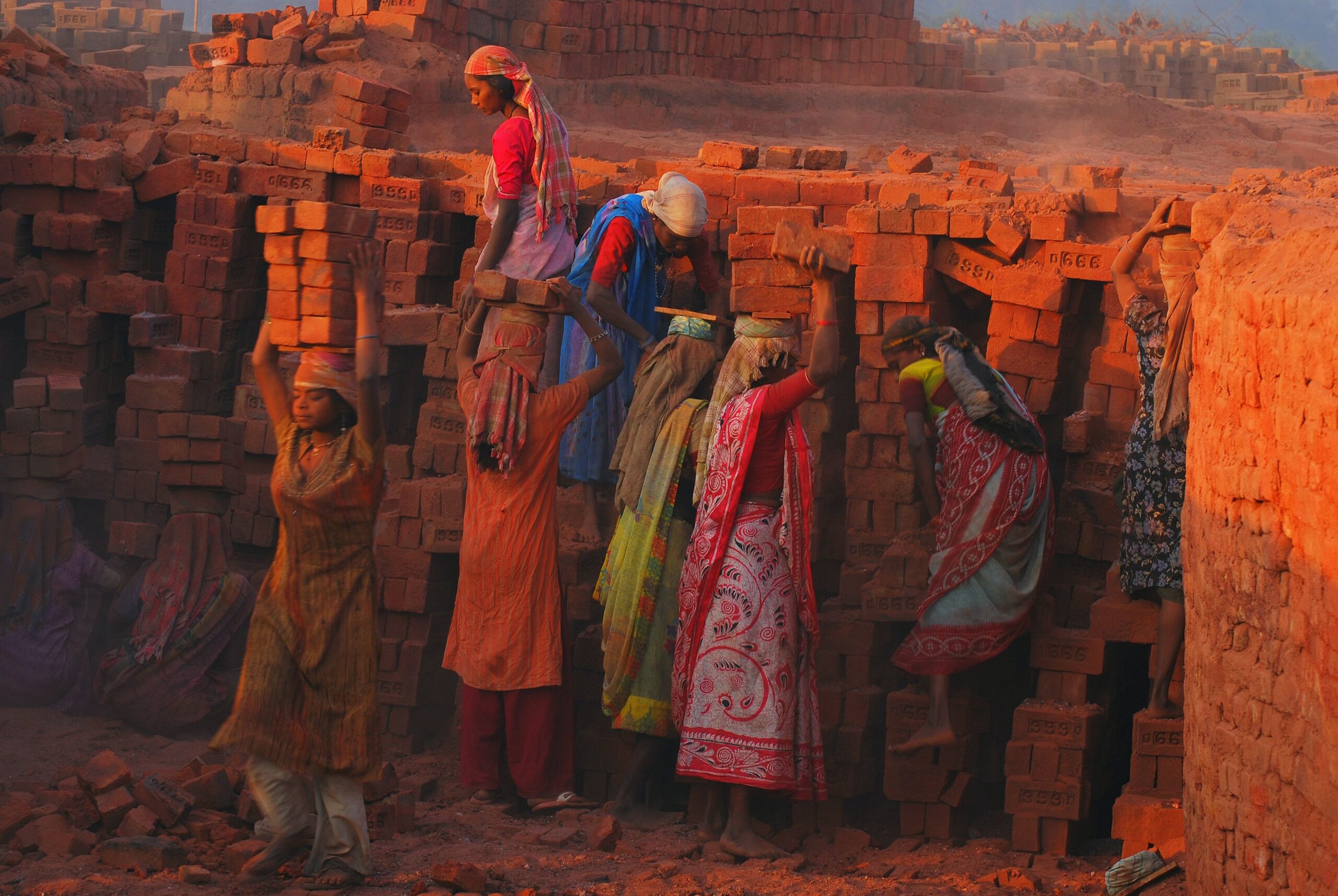
In many parts of the world, poverty forces people to do manual scavenging even if it is unlawful, virtually with no protective gear and risk their lives every day. This is because they don’t have any alternatives or choices. Then, there are people who work like bonded labor in brick kilns and agricultural lands, bonded because of debts that often take generations to repay or never get repaid. So, the question may arise: what’s the path forward to get out of the vicious cycle of poverty? I talk about finding fulfillment in life, but where is life fulfillment for people whom poverty forces into some sort of modern-day slavery?
“Those who deny freedom to others, deserve it not for themselves”
― Abraham Lincoln
Related Posts
- 6 Ways to Break the Vicious Cycle of Poverty
- 10 Drivers For Finding Fulfillment in Life
- 6 Conditions for Happiness Even Being Poor
- 5 Top Reasons for Unemployment in the World
- 8 Ways Immigration Improves Quality of Life
Modern Day Slavery
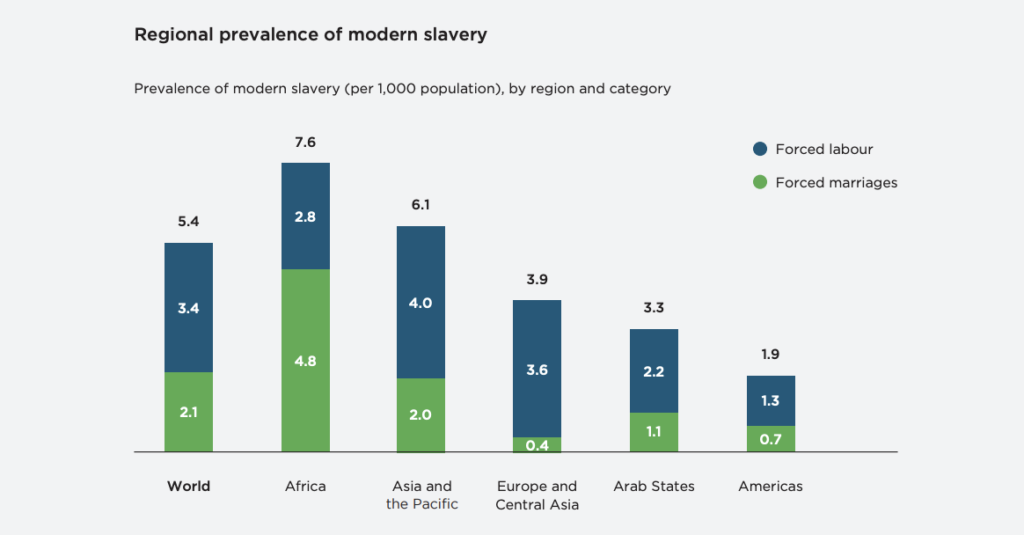
According to a report named Global Estimates of Modern Slavery by International Labor Organization on any day in 2016, about 40 million people were victims of modern-day slavery. So what is modern-day slavery? Since we grew up, didn’t we know slavery was in the past? Which we studied in history classes in school?
Of these 40 million people, our societies or the countries force 25 million into labor and the remaining 25 million into marriage.

Then how is modern-day slavery distributed among females versus males for forced labor and forced marriage? Not surprising the females are the majority at 71%.

More so, how does the data distribute to adults and children? 25% of the modern day slavery victims are children. So did that surprise you?

So how is this distribution of 40 million modern-day slaves distributed across the globe? Most of the victims, as we see, are in Africa and Asia/ Pacific. So, do you have forced slavery in your country? More so, were you even aware there is modern-day slavery prevalent in our countries? More so, can poverty cause slavery?
Forced Labor
64% of forced labor is exploitation, 19% is sexual exploitation, and the rest (17%) is state-imposed labor. You may ask, what is state-imposed forced labor? Governments use slavery, imprisonment, or conscription to make citizens work for the economy.

Forced Labor Sector
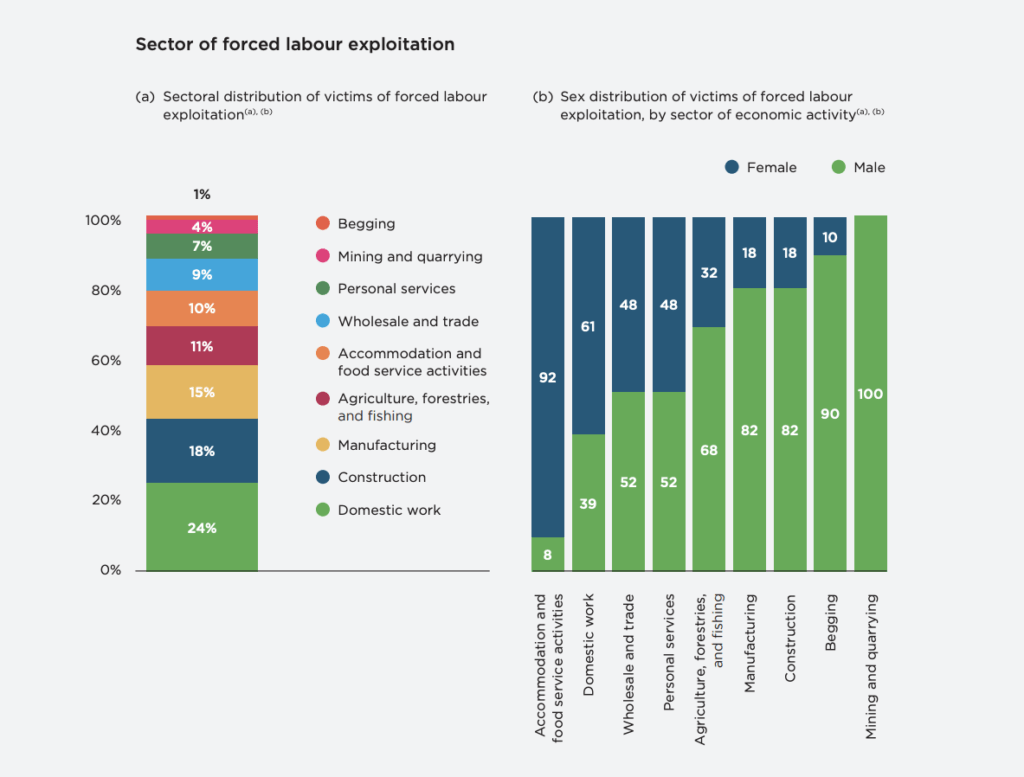
Then let’s dig deeper into the various sectors of forced labor exploitation. As the data shows, the majority are in domestic work, about 24%. Then 18% in construction. Followed by 15% in manufacturing. Then 10% in accommodation and food services. And about 9% in wholesale and trade.
Coercion Means
So what is the breakdown of means of coercion for modern-day slavery? How are so-called physical slaves forced to work against their will? About 24% are from withheld wages. Then 17% are by threat of violence and 16% by actual physical violence. Others being 15% and then 12% by a threat against family. 9% of people had to repay debt, and employers locked 7% in work or living quarters. Another 7% too far away from home and nowhere to go and another 7% punished through fine/ financial penalty. So how does it feel to you the way they coerce modern-day slaves to work against their will? Isn’t it heartbreaking?

Debt Bondage
Did you know debt bondage drives about 50% of the entire modern-day slavery? So what is debt bondage? It means that if someone cannot pay the debt, the only way they can repay it is by working as forced labor. Further, they work for prolonged periods of time or for their entire lives. Doesn’t it sound inhumane? But it’s true; it exists in our societies and the countries we live in, mostly.

Forced Marriage
The data shows that over 90% of the forced marriages are in Africa and Asia/ Pacific. Is this a surprise for you? It might be surprising, but we live in a tough world. Just imagine about 15 million mostly women and children forced into marriage? So, have you witnessed this in your countries? If so, what does your country do to prevent it? I get it; it might infringe on the privacy or personal matters of someone, but do we have a responsibility as responsible citizens? This is something to think about.

Can Poverty Cause Slavery?
The connection between poverty and slavery in not complicated; rather, it is pretty straightforward. And it’s not that we don’t know about it or haven’t seen it many times in our countries. It is certainly not so prevalent in developed countries, but it is blatant in most developing or underdeveloped countries. Where there is poverty, there will always be someone to take advantage of their situation. So what do you think? Can poverty cause slavery?
Way Out of Modern Day Slavery
Then the question is: what solves the problem of poverty that causes modern-day slavery? In a nutshell, I think it is a combination of government policies, private sector investments and entrepreneurship, and global migration. Personally, I think what we need is more local entrepreneurship that attracts global capital and generates employment in respective countries. That entails people taking risks, often leaving cosy corporate jobs and embarking on building companies that last. It is difficult, but I think that’s what we can do to make a difference.
Government Policies and Support
Then how do we deal with the root causes of slavery? How can we end the vicious cycle of poverty? Governments have a role to play; policies and policy implementation drive poverty reduction, which has happened in many developing countries like China and India over the decades. In the developed countries, governments can provide more monetary support out of taxpayers’ money, best examples are the Scandinavian countries, which also score the highest on the happiness index across the globe. But for developing or underdeveloped countries, the challenge is that there isn’t enough tax money that the government can deploy for the eradication of poverty. It’s a vicious cycle wherein the countries cannot generate taxes because of lower productivity, which is because of education, skill and availability of capital.
Private Investment and Entrepreneurship
What is most beneficial in the long term is investment from private enterprise and entrepreneurship. The United States of America shows this the best. The USA is a capital magnet and receives the highest investments in the entire world. No wonder it has the largest capital market and the largest economy in nominal GDP terms. Innovation and productivity improvements drive much of America’s economic might. It is also the country that attracts the brightest talents from across the globe because of the immense opportunities it presents and to live the American dream.
Emigration to Developed Countries
Migration to developed countries that have more job opportunities and can promise a better quality of life has been an age-old practice. But it is also like escaping from the problem and not facing it to solve it. Migration is beneficial for people and the global economy. Demand and supply drive the migration of skilled people globally. Further it also brings in remittances to home countries, supporting their economies. In the end, everyone benefits, but it requires many sacrifices for those who leave their home country to find work in a new place.
Conclusion
In conclusion, what I ask myself is, what can I contribute to this world to reduce the economic disparity between the developed and the developing or underdeveloped countries? How can I make a difference by helping in education, upskilling and generating employment for people who are not economically privileged? The way I think, if only I can help bring people out of this vicious cycle of poverty that pulls their future generation out of perennial poverty through my contributions, I would consider my life well spent and privileged. But what do you think? What do you think we need to do or can do to eradicate modern-day slavery?
Leave a Reply
You must be logged in to post a comment.